
For electric vehicle and home energy storage users, noticing reduced range or runtime often points to a silent culprit: battery cell imbalance. The Battery Management System (BMS) tackles this with two primary technologies—passive and active balancing. Understanding this difference is key to maximizing your battery's performance and longevity.
Passive Balancing: The Simple Trimmer
Think of passive balancing as a meticulous gardener trimming the tallest flowers in a garden. This method, common in standard BMS units, works by detecting the highest-voltage cell in a pack. Once that cell reaches its full charge ahead of the others, the BMS engages a resistor to "burn off" its excess energy as heat, allowing the lower-voltage cells to catch up. It's a straightforward and cost-effective solution, primarily effective during the final stage of charging. However, its "burn-off" nature means it doesn't increase overall energy capacity; it merely ensures all cells can be fully charged, making it best suited for applications where cost is a primary concern and battery packs are smaller.
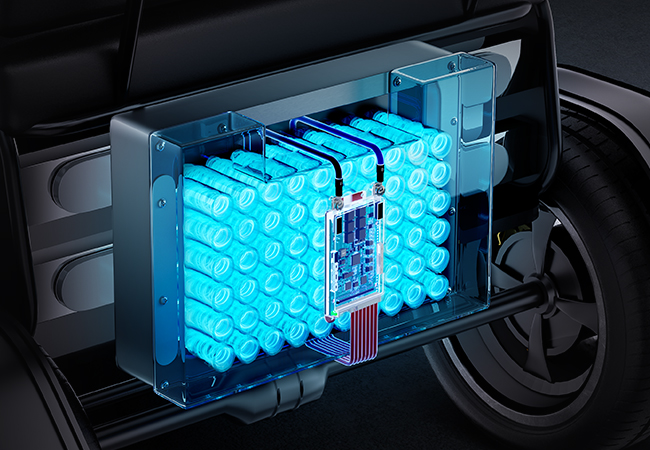

Active balancing, a feature of advanced BMS solutions, acts more like an intelligent irrigation system that redistributes water from overflowing reservoirs to drier areas. Instead of wasting energy, it uses capacitors or inductors to shuttle excess energy from the highest-voltage cell to the lowest-voltage one. This process can occur throughout the entire charge cycle, and even during discharge and idle states. The key advantage is improved energy efficiency—you get more usable capacity from each charge and reduce charge time. By minimizing voltage differences, active cell balancing significantly reduces stress on the battery pack, which is the primary factor in extending the battery cycle life. This makes it ideal for high-value applications like electric vehicles, large-scale solar storage, and commercial equipment.
Making the Right Choice
Your choice depends on application needs. For a budget-conscious project with a small, new battery pack, a BMS with passive balancing may suffice. But for systems where maximizing every watt-hour, ensuring long-term health, and achieving faster charging matters, investing in a BMS featuring active balancing technology is the definitive path to unlocking your battery's full potential.
Post time: Jan-16-2026


