

Daly Quality
The Battery Management System (BMS) serves as the safety hub for lithium batteries. As application scenarios become increasingly diverse, the demand for stability and reliability grows ever higher. Quality is not something that can be "ensured" solely at the final inspection stage; rather, it must be embedded throughout the entire process—from initial R&D to final delivery.
At Daly, our quality engineering team collaborates across R&D, supply chain, production, and after-sales service. By strictly adhering to the Integrated Product Development (IPD) framework, we implement quality standards at every stage, continuously refining our products through rigorous testing and systematic review.
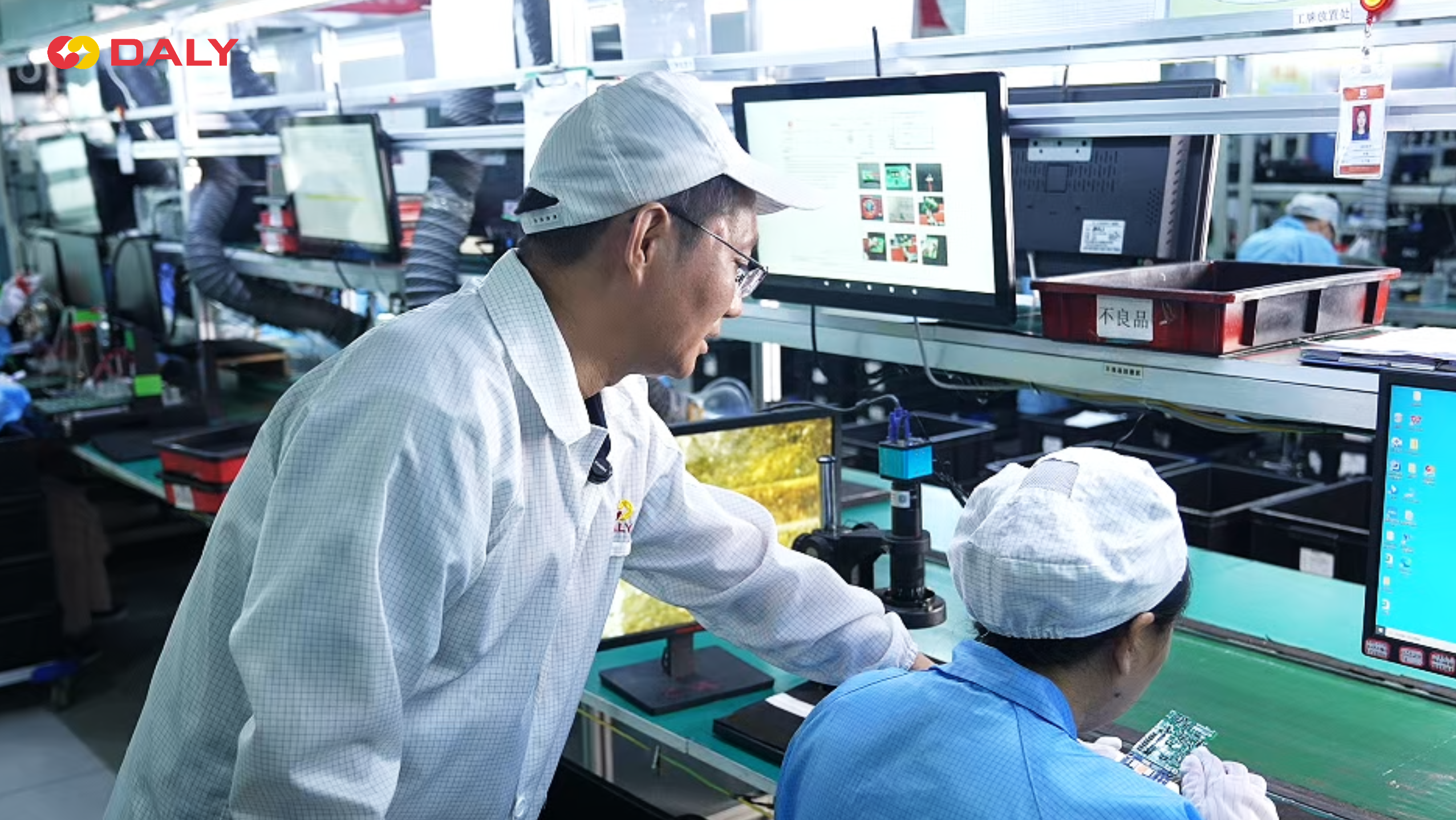
Chapter 01
Front-loading Quality Assurance:
Mitigating Risks During the Design Phase
The DQE (Design Quality Engineer) within the R&D Quality Department acts as the "quality gatekeeper" during the R&D phase, overseeing the entire product development lifecycle:
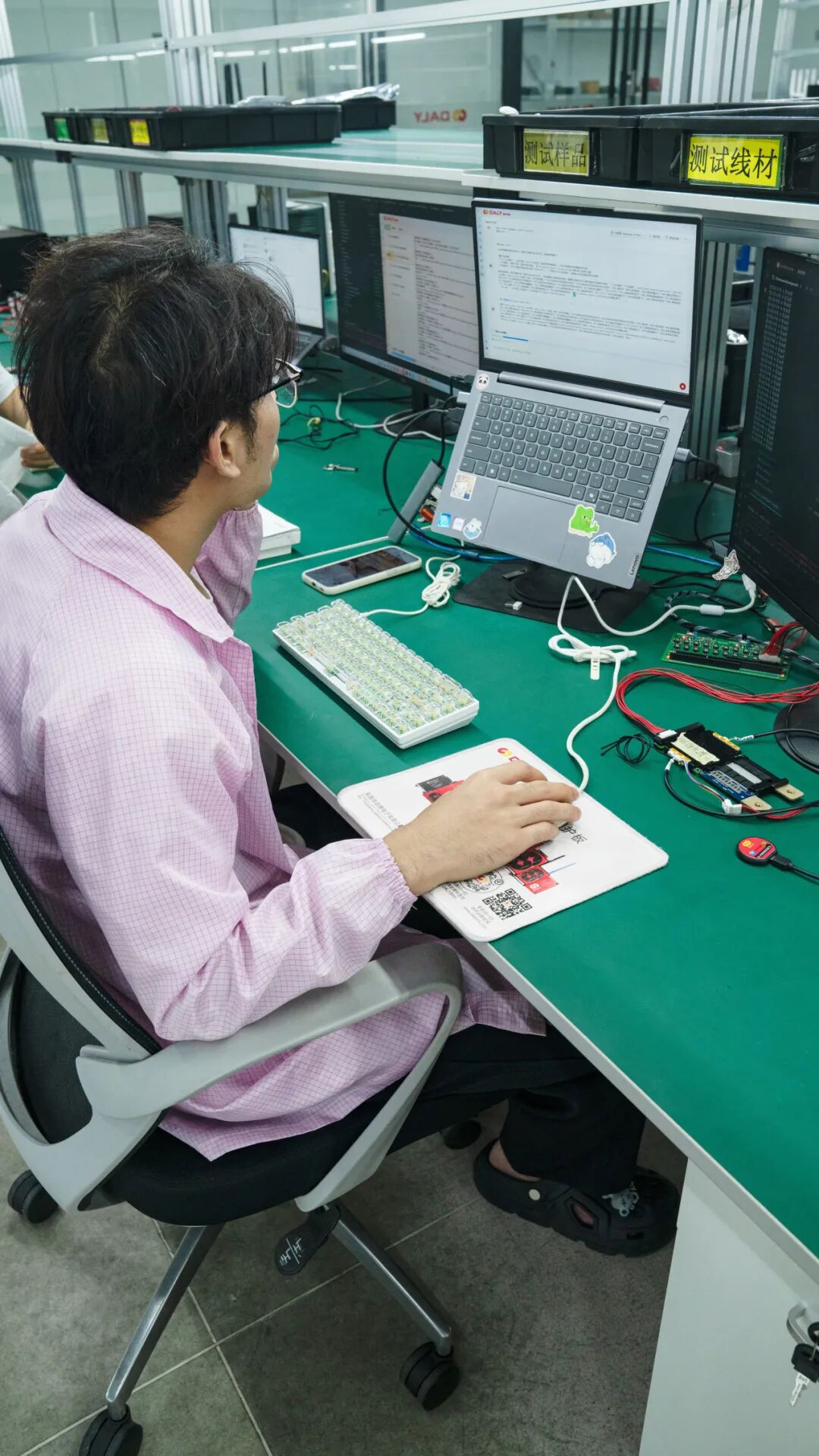

02 Proactive Risk Interception
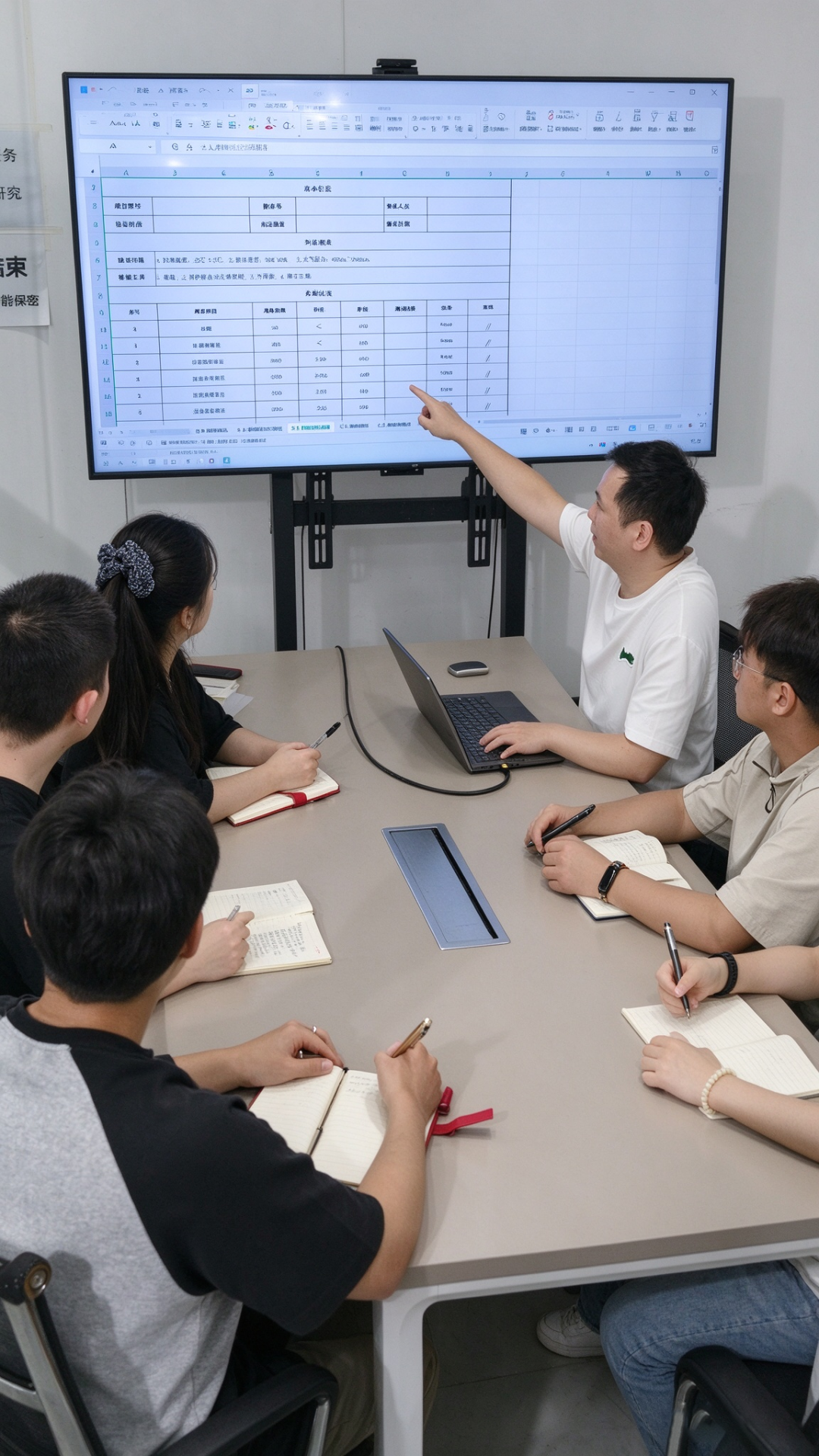
Leverage a standardized R&D checklist to systematically identify potential design risks, drive targeted rectifications, and conduct subsequent verification—shifting quality control upstream into every stage of the R&D process.
03 Strict Process Oversight
Comprehensive auditing of adherence to IPD (Integrated Product Development) process standards, with real-time tracking and issue feedback to ensure that every stage of R&D meets quality requirements.
04 Continuous Monitoring and Optimization
Following a product launch, we conduct ongoing monitoring—collecting operational data and customer feedback—and coordinate with the R&D team to drive rapid improvements. This establishes a quality closed loop of "design, testing, launch, and iteration," ensuring that issues are addressed as early as possible.
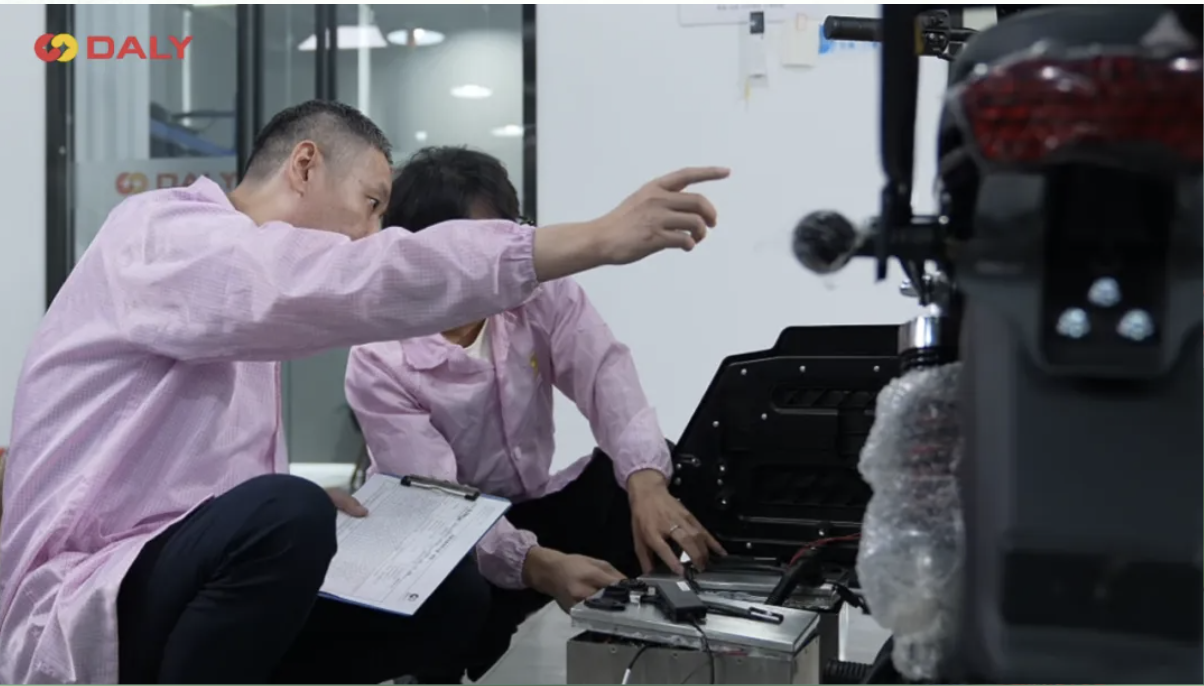
Chapter 02 Real-World Scenario Testing:
Aligning Verification with Actual Usage Environments
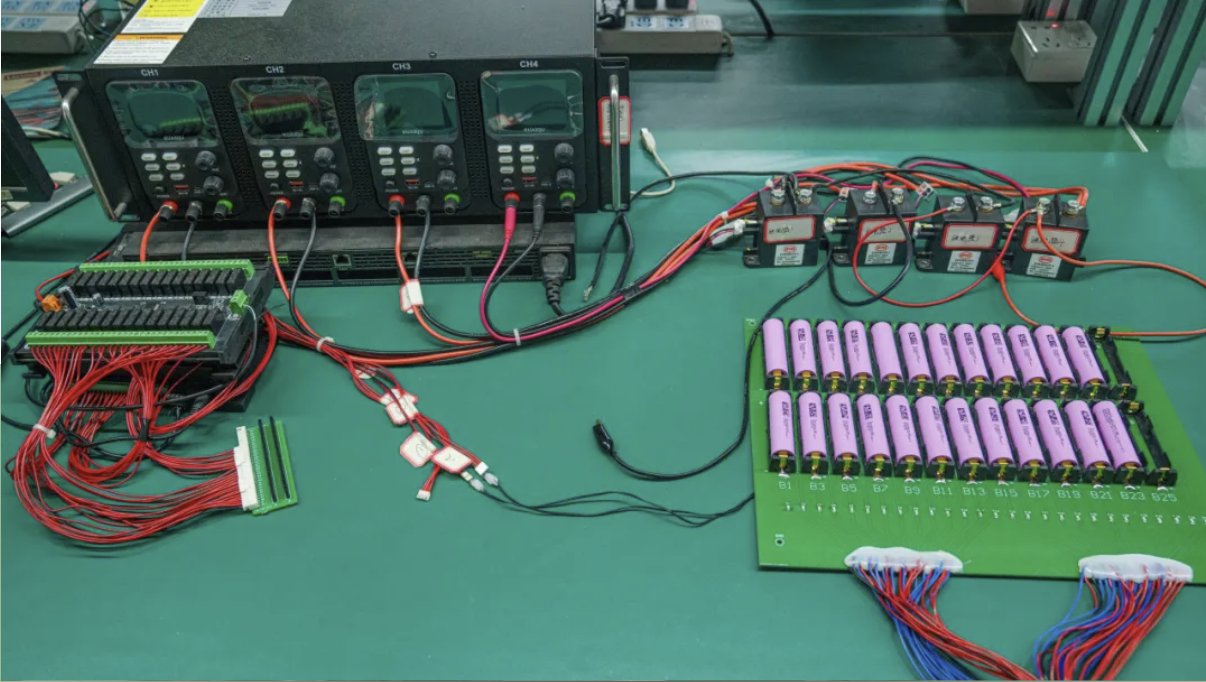
The R&D Testing Department is divided into a "Test Design Group" and a "Test Execution Group," working in highly efficient synergy—acting as the "brain" and the "hands," respectively:
Test Design Group: The "intelligent brain" of the testing framework. Composed of automation development and test engineers, this group focuses on building a rigorous, scientific testing system to ensure that verification is both precise and highly efficient.
01 Solidifying Test Cases
Following the logic of "identifying issues — analyzing root causes — optimizing test cases," we translate various problems encountered during actual operation into standardized test procedures, thereby continuously refining our testing framework.
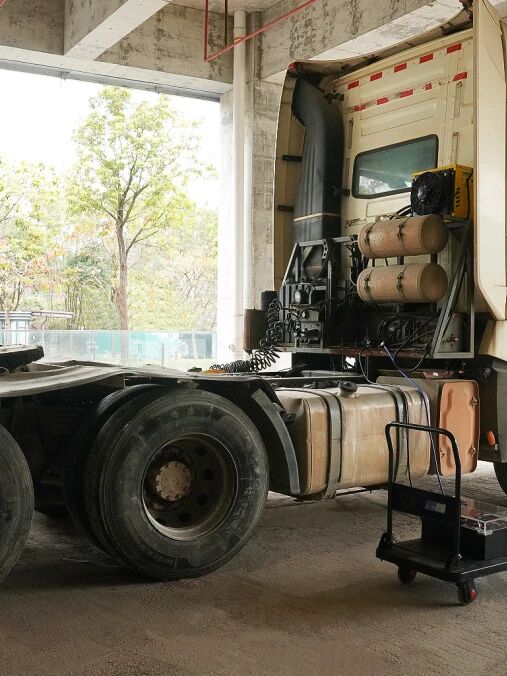
02 Real-World Scenario Testing
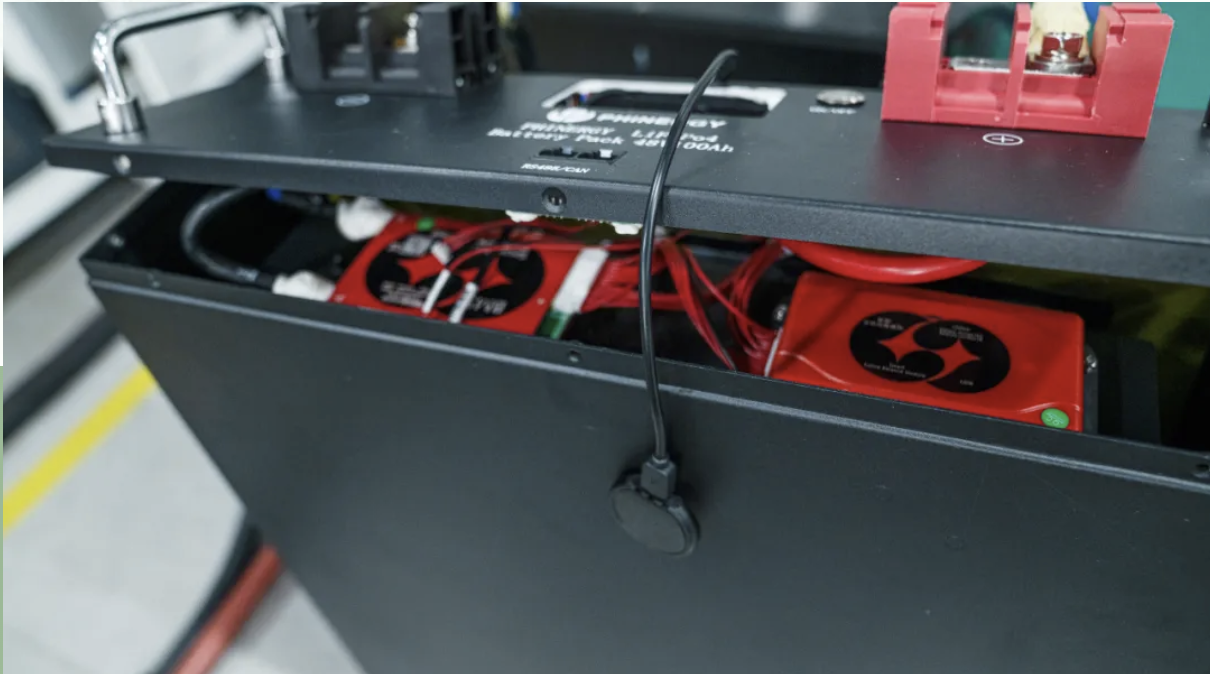
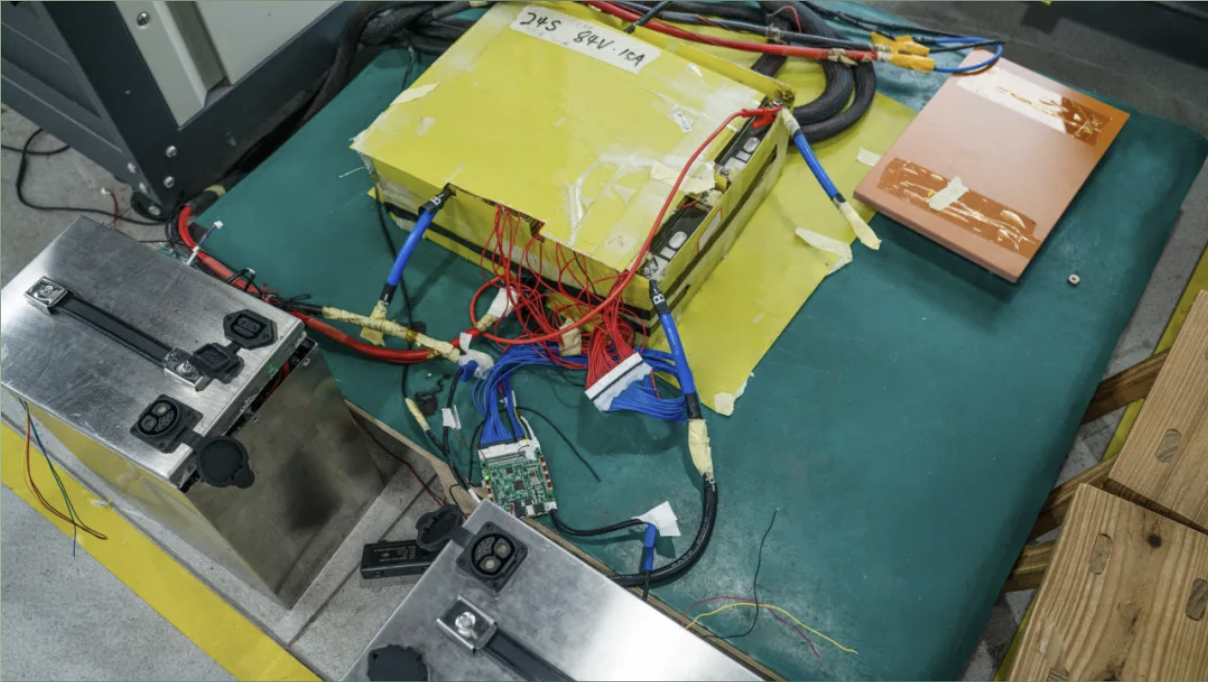
We have established specialized test environments tailored to various application scenarios—such as heavy-load startups for electric forklifts, high-current overcurrent events in trucks, and rapid acceleration during hill climbs for electric three-wheelers—to evaluate BMS performance in contexts like motive power, residential energy storage, and truck starting/operation.
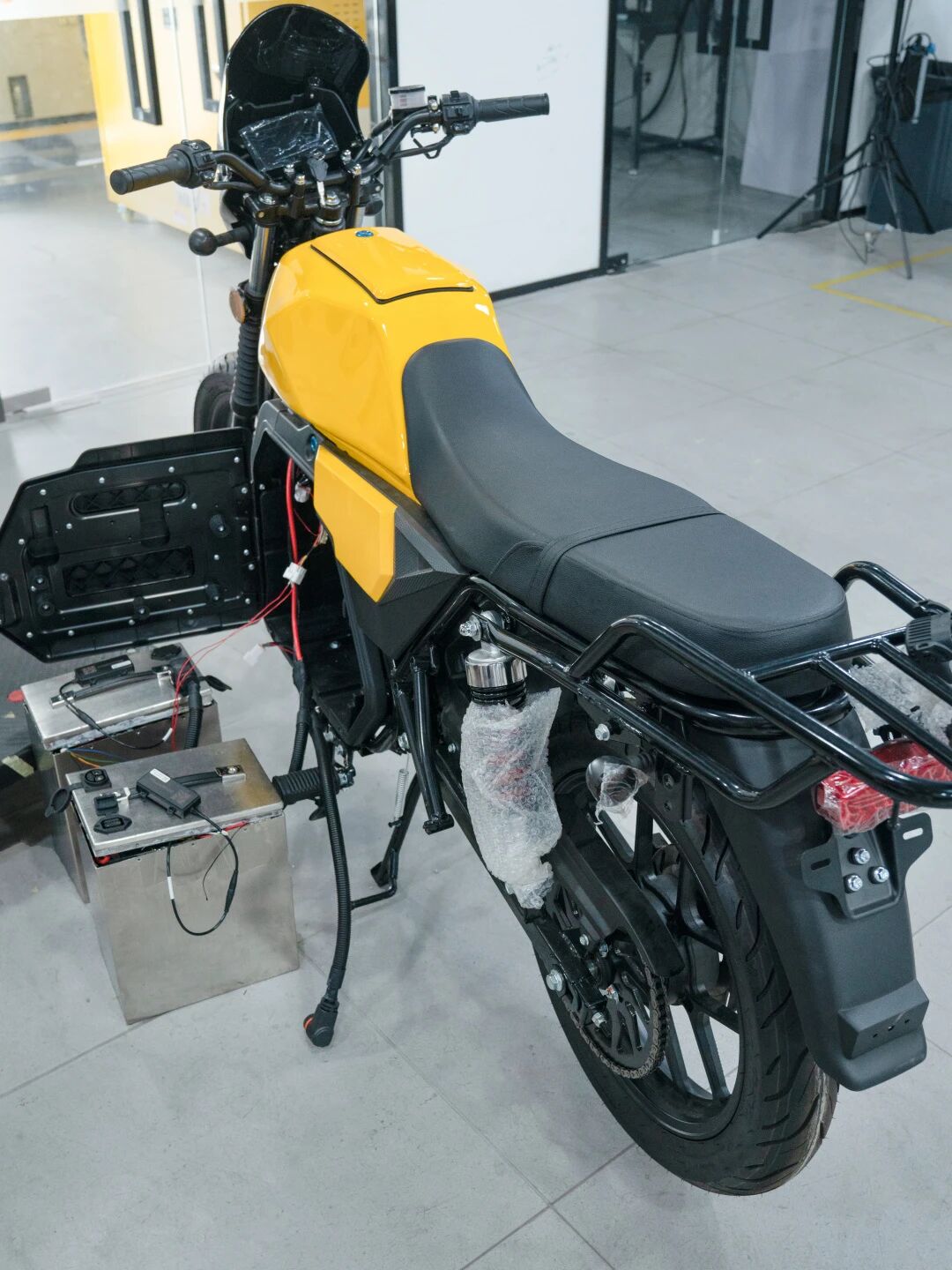
03 Reconstruction of Customer-Reported Issues
We precisely recreate the conditions under which a customer-reported issue occurred, capture data through experiments, identify the root cause, and produce a test report—providing a scientific basis for resolving the problem.
04 Development of Automated Tools
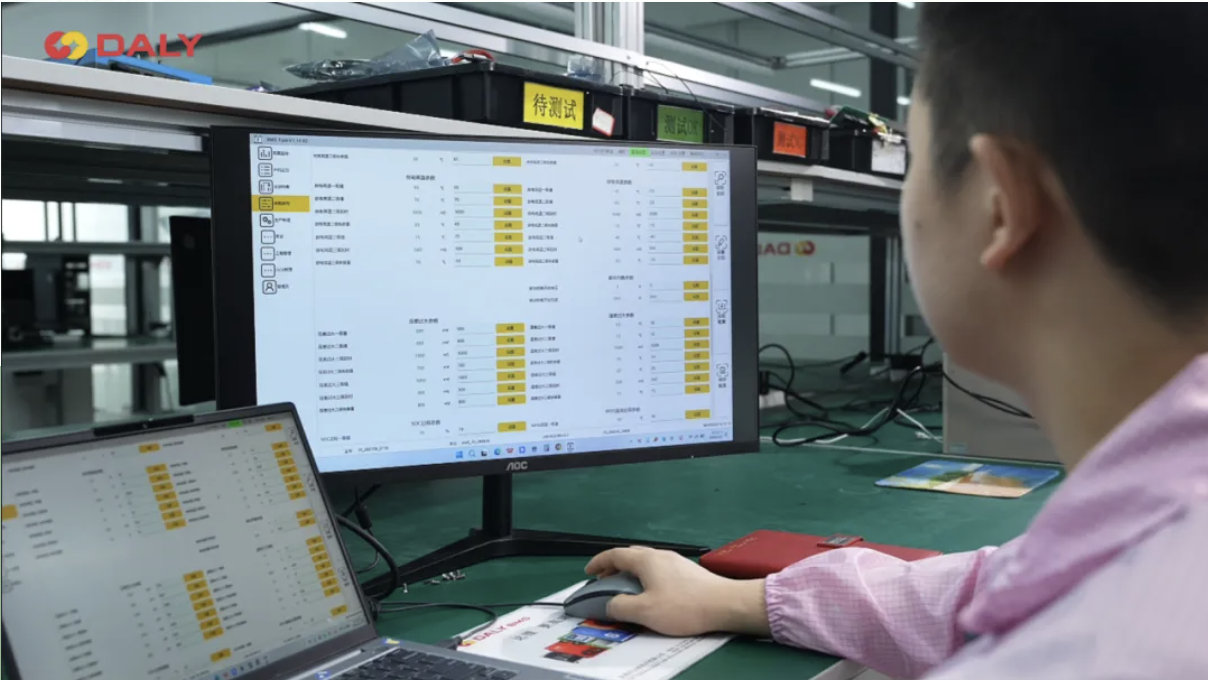
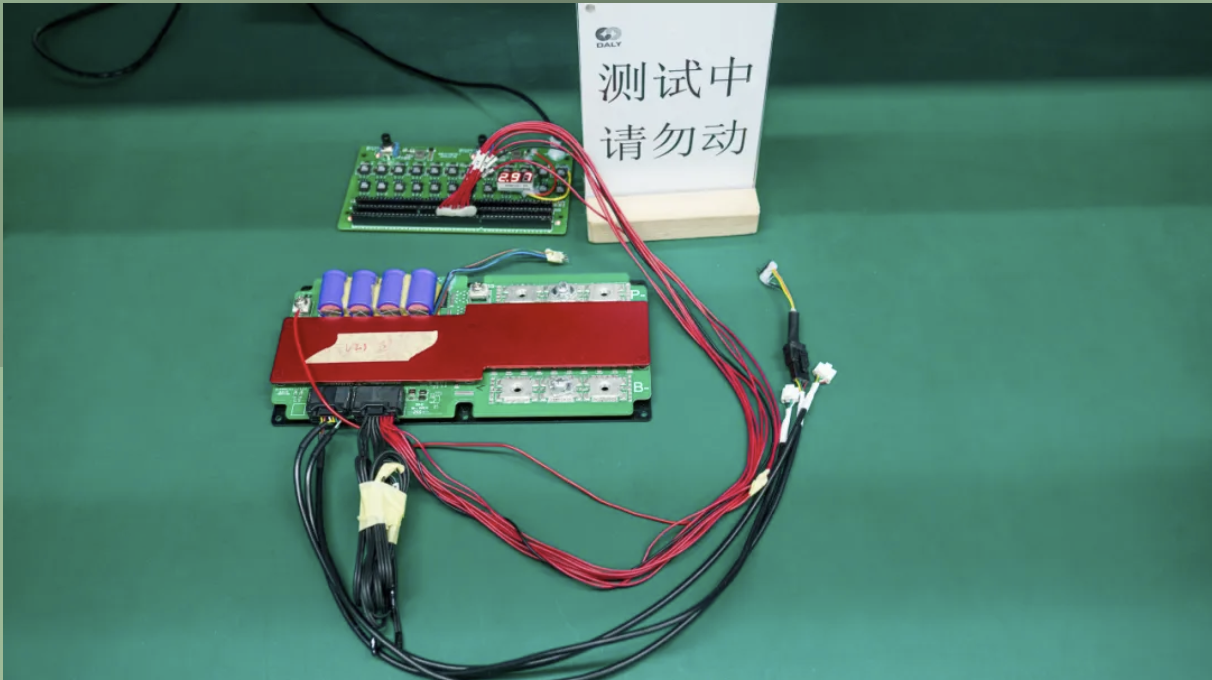
Leveraging advanced equipment—such as that from Ruineng—we develop automated test programs to conduct performance verification for BMS units. This enables the automated testing of key reliability metrics, significantly enhancing both the accuracy and efficiency of the testing process.
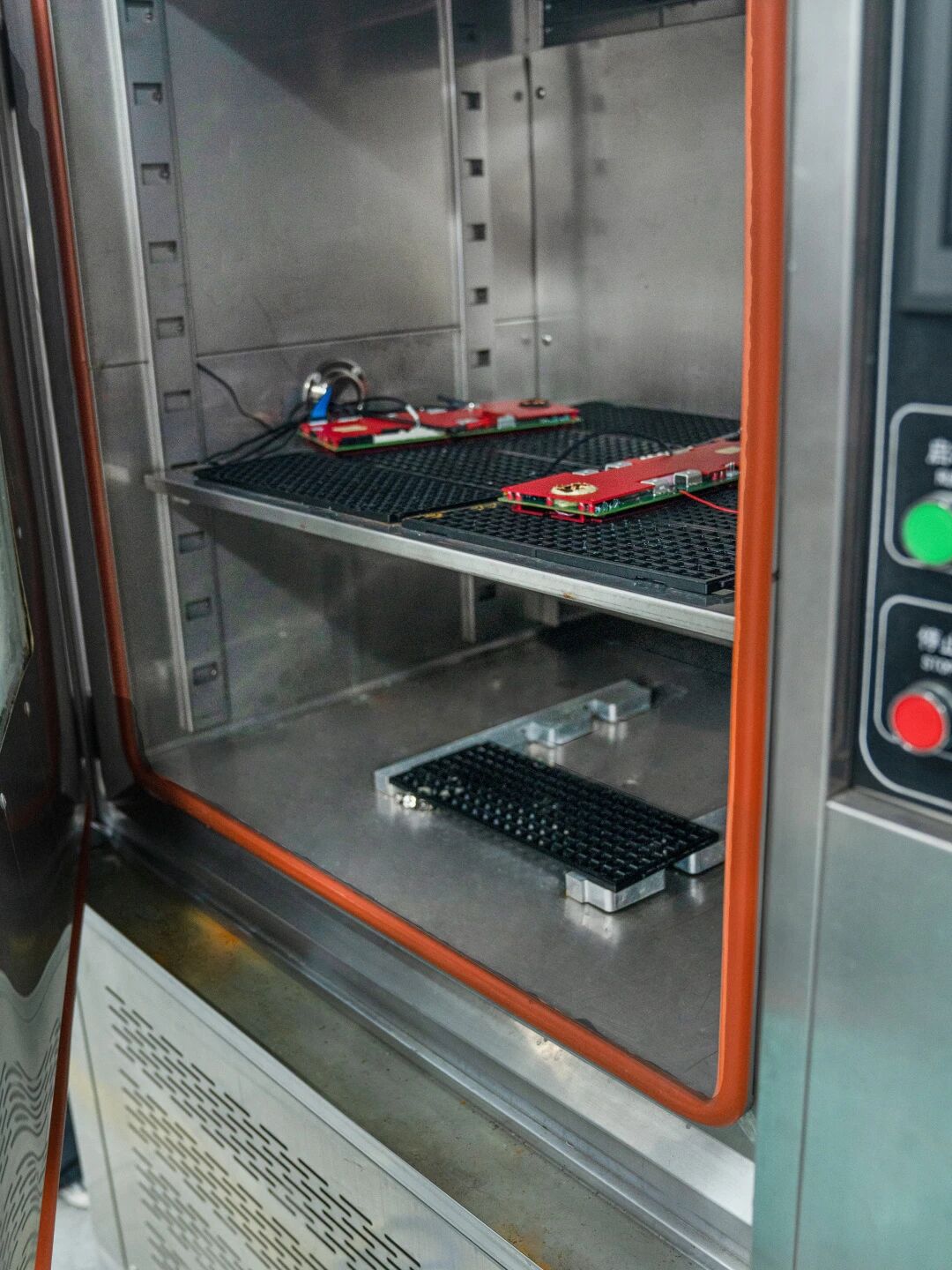
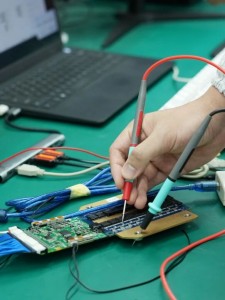
Test Execution Team: We conduct a comprehensive, item-by-item verification of performance, covering over 30 hardware parameters—such as voltage, current, and power consumption—as well as more than 20 software functions, including communication logic, SoC calibration, and alarm/protection mechanisms. This also includes specialized validation of Bluetooth connectivity.
Furthermore, we perform rigorous testing under real-world operating conditions—such as heavy-load startup, high-current overcurrent events, transitions between peak and off-peak power usage, and load-dump transients. These are combined with environmental stress tests—including exposure to extreme temperatures, vibration, and electrostatic discharge—to ensure the product performs reliably across the full spectrum of our customers' actual usage scenarios.
Systematic Professional Equipment
Robust Validation Support
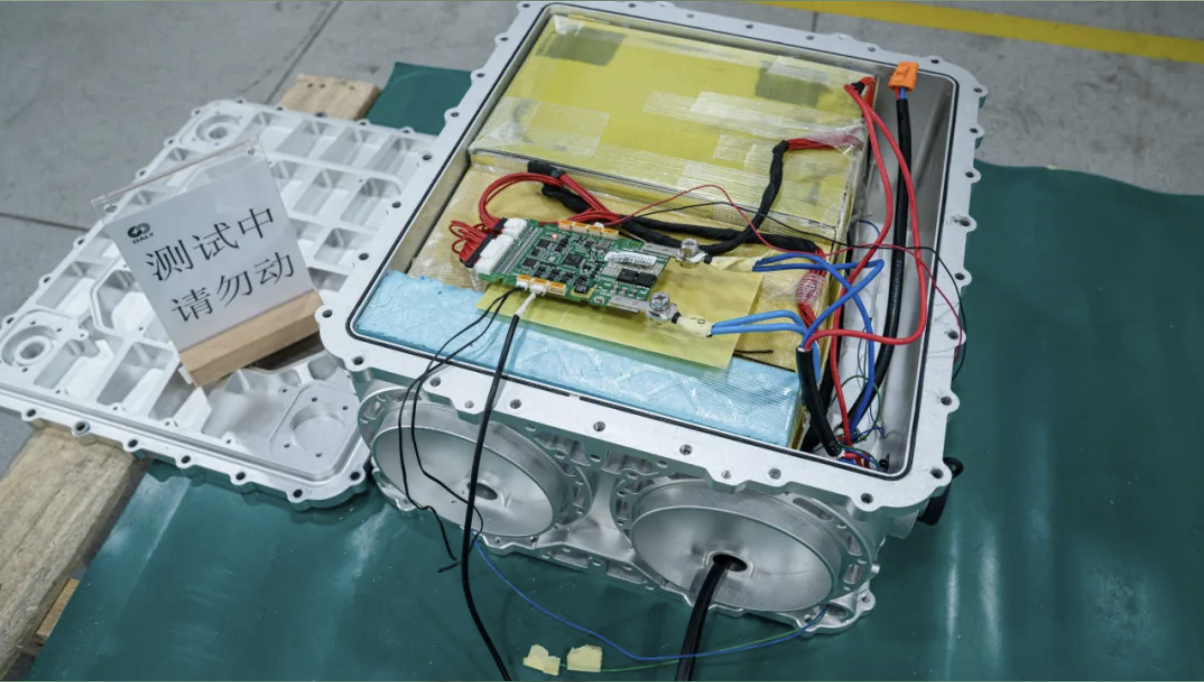
Quality validation is underpinned by both hardware equipment and management systems.
Daly is equipped with 11 categories of testing apparatus—including Nebula automated test cabinets, Agilent and Fluke measuring instruments, constant temperature and humidity chambers, and high-current load banks—enabling comprehensive validation across both standard and extreme operating scenarios.


Daly full range of products has obtained ISO9001, CE, RoHS, and EMC certifications, meeting both general industry standards and global market access requirements.

Chapter 03
Manufacturing Control:
Translating Design Standards into Production Practice
Solutions developed by the R&D team must ultimately be implemented and realized on the production line.
Dali converts R&D design requirements into actionable documentation—such as Standard Operating Procedures (SOPs), Process Failure Mode and Effects Analysis (PFMEA), and IPC process specifications—to ensure rigorous process control over critical manufacturing stages.
In parallel, the company manages suppliers and conducts incoming material inspections. Risk assessments are performed whenever material specifications change, ensuring consistency in mass-produced products—from the sourcing of raw materials to the final finished goods.

Chapter 04 Field Feedback: Driving Quality Iteration
The delivery of a product to a customer does not mark the end of quality-related efforts.
Dali utilizes a cloud-based platform to collect device operational data and gather feedback from frontline after-sales service. When anomalies occur in the field, the company conducts a root-cause analysis. The findings are then shared with the R&D, quality, and testing teams, who use this information to refine designs and improve test cases—thereby completing a closed-loop process that connects the customer’s operational environment back to the R&D stage.

From proactive risk management during the R&D phase to rigorous validation in real-world scenarios, and from stringent manufacturing controls to continuous monitoring at the customer site—Daly integrates quality assurance throughout the entire lifecycle of its BMS. Every stage is governed by defined standards, thorough validation, systematic feedback, and ongoing improvement. Daly’s end-to-end quality team safeguards every link in the BMS value chain.
Post time: Oct-30-2026


