

Electric tricycles (e-trikes) are the backbone of last-mile delivery, agricultural transport, and daily commuting in many regions. To increase range and reduce vehicle weight, many owners and fleet operators are upgrading their heavy legacy lead-acid batteries to high-capacity lithium-ion or LiFePO4 systems. However, this transition introduces a critical hardware challenge: finding a durable, compatible charger. Attempting to use the old equipment or buying a fragile indoor charger can quickly degrade your new battery and disrupt daily operations.
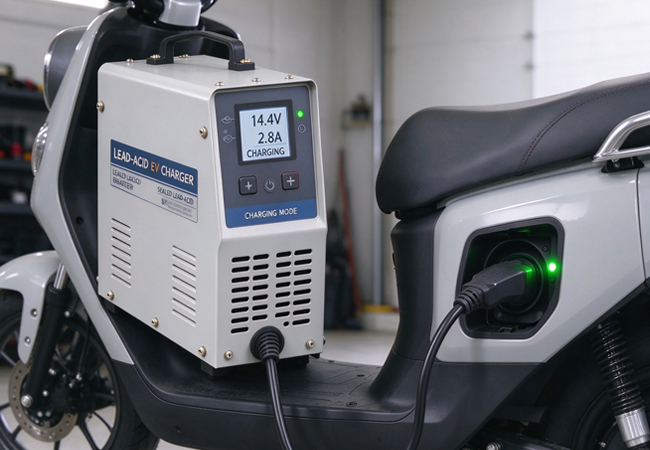
Understanding the electrical and physical requirements of an e-trike is essential for a successful lithium upgrade.
The Compatibility Issue: Why Lead-Acid Chargers Damage Lithium The most common mistake during a battery upgrade is reusing the original lead-acid charger to save costs. Lead-acid and lithium batteries require fundamentally different charging algorithms.
Lead-acid chargers are designed with a "desulfation" phase (which pulses high voltage) and a "float charge" phase (which continuously trickles a low current to keep the battery topped off). If applied to a lithium battery, these continuous voltage pulses actively conflict with the lithium cell's chemistry. It forces the battery’s internal Battery Management System (BMS) to constantly block the excess current, eventually causing the BMS to overheat or the lithium cells to suffer irreversible capacity loss. A proper lithium upgrade strictly requires a smart charger programmed with a dedicated Constant Current/Constant Voltage (CC/CV) profile that automatically shuts off when the battery is full.

The Physical Challenge: Vibration and Durability
Unlike passenger cars, electric tricycles often lack advanced suspension systems. Whether navigating cobblestone streets, rural dirt roads, or pothole-filled industrial parks, e-trikes endure severe, continuous vibrations.
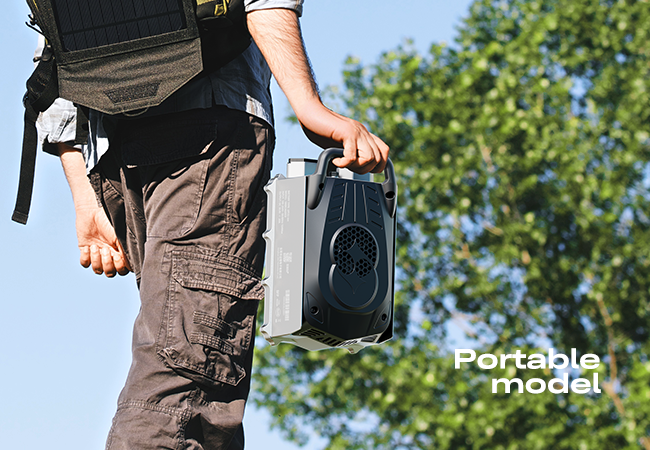
Many owners carry their chargers in the trike's cargo box for mid-day top-ups. Standard plastic desktop chargers feature unsupported internal components like heavy transformers. Under constant trike vibration, the solder joints holding these components fracture, leading to an open circuit and a broken charger.
Choosing the Right Smart Charger for E-Trikes To protect your lithium investment and ensure reliable daily transport, a purpose-built smart charger is required. When sourcing a charger for an upgraded e-trike, prioritize the following specifications:
Strict CC/CV Algorithm: Ensure the charger is explicitly designed for lithium chemistry (matching your specific voltage, e.g., 48V, 60V, or 72V) to communicate safely with the BMS and prevent overcharging.
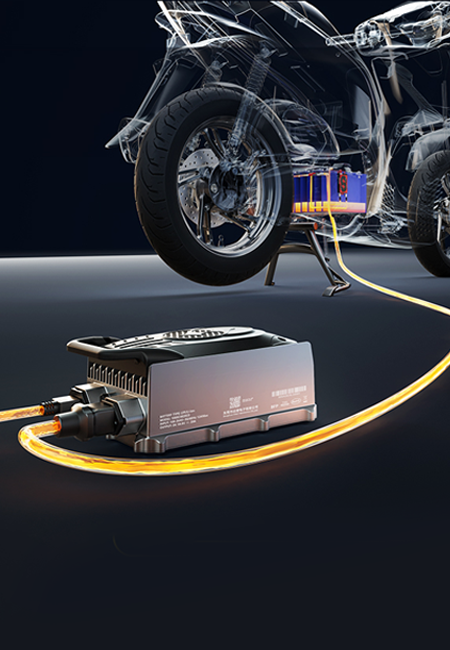
Structural Ruggedization: Look for chargers built with extruded aluminum housings or potted internal electronics. This vibration-resistant engineering ensures the hardware survives being bounced around in a trike’s storage compartment.
Thermal Management: E-trikes often operate in hot outdoor environments. A smart charger should feature a high-efficiency cooling fan or a fanless heat-sink design to dissipate heat safely without shutting down prematurely during a rapid charge cycle.
By matching your new lithium battery with a structurally rugged, chemically compatible smart charger, you guarantee that your electric tricycle will deliver the long lifespan and high performance you invested in.
Post time: Nov-07-2026


